

Introduction to McDonald’s
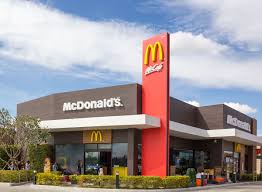
McDonald’s is one of the world’s largest and most recognizable fast-food restaurant chains, known for its consistent taste, quick service, and global presence. Founded in 1940 by Richard and Maurice McDonald in California, the brand was later transformed into a global franchise powerhouse by Ray Kroc. Under his leadership, McDonald’s expanded rapidly across the United States and eventually worldwide, becoming a symbol of modern fast-food culture.
The company is famous for its signature items such as the Big Mac, French Fries, McChicken, Chicken McNuggets, and the iconic Happy Meal. Over the years, McDonald’s has built a strong reputation for delivering affordable meals with standardized quality across thousands of outlets. Its golden arches logo is instantly recognizable, representing convenience, speed, and familiarity for millions of customers every day.

One of McDonald’s greatest strengths lies in its efficient business model. The company operates largely through a franchise system, allowing local entrepreneurs to run outlets while maintaining strict operational standards set by the brand. This model has enabled McDonald’s to expand into more than 100 countries, serving millions of customers daily. The company focuses heavily on operational efficiency, supply chain management, and customer experience, ensuring quick service and consistent food quality.
Localization has also been a key factor in McDonald’s success. While maintaining its core menu globally, the brand adapts its offerings to suit local tastes and cultural preferences. For example, in India, McDonald’s offers vegetarian options like the McAloo Tikki burger and avoids beef products in respect of cultural sensitivities. This balance between global standardization and local adaptation has helped the company build strong connections with diverse markets.
Marketing and branding play a crucial role in McDonald’s dominance. The brand has successfully targeted families, children, and young consumers through creative advertising campaigns, promotional toys, and sponsorships. The Happy Meal, introduced to attract children, became a global success and strengthened brand loyalty from an early age. Digital innovation, including mobile apps, self-order kiosks, and delivery partnerships, has further modernized the customer experience.
In recent years, McDonald’s has also focused on sustainability, healthier menu options, and corporate social responsibility. Efforts include reducing plastic usage, improving sourcing practices, and introducing salads, fruit options, and lower-calorie meals to meet changing consumer demands.
Overall, McDonald’s represents more than just a fast-food chain; it is a global cultural icon. With its strong brand identity, efficient operations, localized strategies, and continuous innovation, McDonald’s continues to lead the quick-service restaurant industry and remain a favorite choice for customers around the world.
McDonald’s Products
McDonald’s offers a wide and diverse range of products designed to cater to different tastes, age groups, and cultural preferences across the world. Known for its consistency, affordability, and quick service, the brand’s product portfolio includes burgers, chicken items, wraps, beverages, desserts, breakfast meals, and value combos.
At the heart of McDonald’s menu are its iconic burgers. Signature products such as the Big Mac, McChicken, cheeseburgers, and quarter-pounder variants are popular globally for their distinct flavors and standardized preparation. The brand is also known for its crispy French Fries, often considered one of the most recognized fast-food side items worldwide. Chicken-based offerings like Chicken McNuggets, spicy chicken burgers, and wraps further expand the menu, appealing to consumers who prefer poultry options.
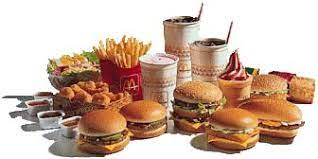
McDonald’s breakfast menu is another strong category in many countries. Items such as egg muffins, hotcakes, hash browns, and breakfast sandwiches provide convenient morning meal options. In addition to main meals, the company offers desserts like soft-serve cones, sundaes, pies, and McFlurry, which enhance the overall dining experience and attract younger customers.
A key strength of McDonald’s products is localization. While core items remain consistent, the company adapts its menu to suit regional tastes and cultural preferences. For example, in India, McDonald’s offers vegetarian items like the McAloo Tikki burger and paneer-based options, while in other countries it may include rice bowls, seafood burgers, or region-specific sauces. This flexibility allows the brand to maintain global identity while remaining relevant in local markets.
The beverage category includes soft drinks, iced teas, milkshakes, coffee, and specialty drinks. McCafé, the brand’s coffee platform, has grown significantly and competes with established café chains by offering espresso-based beverages and bakery items.
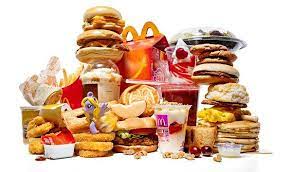
In recent years, McDonald’s has introduced healthier options and limited-time offerings to keep the menu dynamic. Salads, fruit portions, and lower-calorie items address health-conscious consumers, while seasonal and promotional products create excitement and repeat visits.
Overall, McDonald’s products combine taste, convenience, and affordability. By maintaining strict quality standards and continuously innovating its menu, the company ensures that its offerings remain appealing to diverse customer segments. This balanced product strategy has helped McDonald’s sustain its leadership position in the global quick-service restaurant industry.
1. Burgers
McDonald’s burgers are among the most iconic and widely recognized fast-food products in the world. Known for their consistent taste, soft buns, flavorful patties, and signature sauces, McDonald’s burgers have become a symbol of quick-service dining. The brand offers a wide variety of options, including beef, chicken, fish, and vegetarian burgers, catering to diverse tastes and cultural preferences across global markets.
Signature items like the Big Mac and Cheeseburger are famous for their balanced combination of patties, cheese, lettuce, onions, pickles, and special sauces. The Big Mac, with its double-layered structure and unique sauce, remains one of the company’s flagship products. Chicken options such as the McChicken and spicy variants are equally popular, offering crispy texture and bold flavors that appeal to a broad customer base.
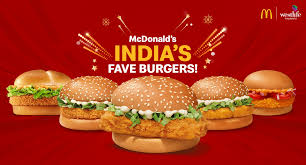
One of the key strengths of McDonald’s burgers is their adaptability. While maintaining global quality standards, the brand customizes its menu in different countries. For instance, in India, McDonald’s offers vegetarian burgers like the McAloo Tikki and paneer-based options, avoiding beef to respect cultural preferences. This localization strategy helps the brand connect with regional audiences while preserving its global identity.
McDonald’s also emphasizes affordability and value, offering burgers in different price ranges along with combo meals that include fries and beverages. Continuous innovation, limited-time offerings, and improvements in ingredient quality keep the menu exciting and competitive.
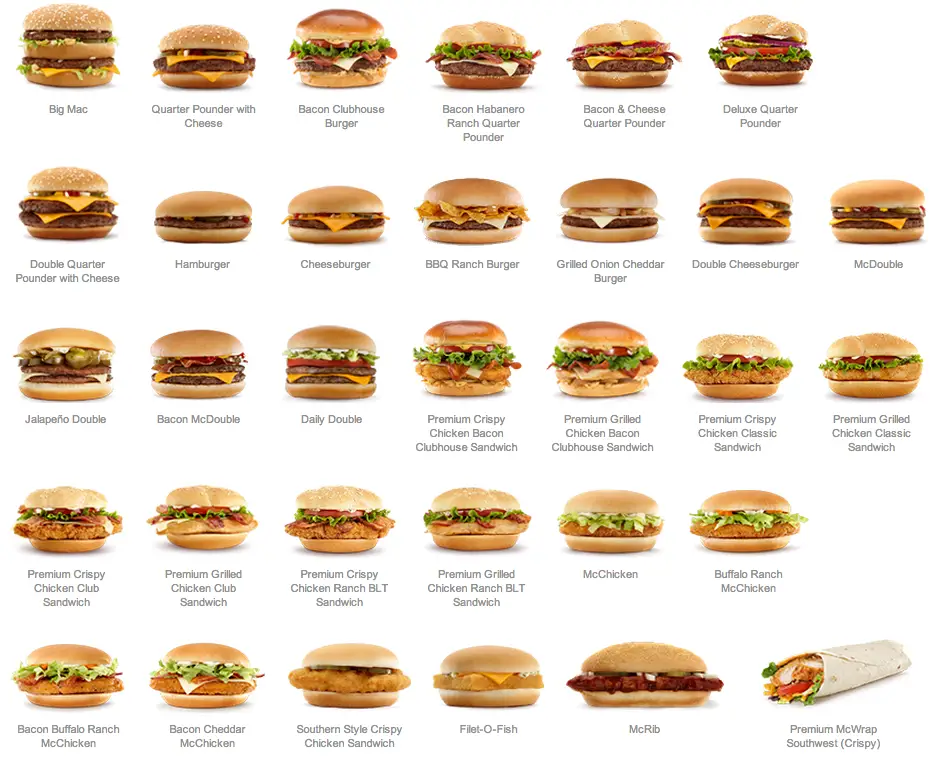
Overall, McDonald’s burgers combine taste, convenience, and brand trust, making them a preferred choice for millions of customers worldwide.
2. Wraps
McDonald’s Wraps are a popular menu category designed for customers seeking a lighter yet flavorful alternative to traditional burgers. Combining soft tortillas with seasoned fillings, fresh vegetables, and signature sauces, McDonald’s wraps deliver convenience, taste, and portability in one compact meal option. They are especially appealing to consumers who prefer handheld meals with a balanced mix of textures and flavors.
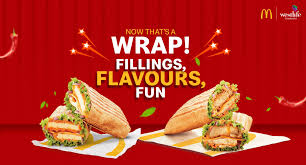
McDonald’s wraps typically feature crispy or grilled chicken as the primary protein, complemented by lettuce, onions, tomatoes, and creamy or spicy sauces. The soft tortilla wrap holds the ingredients together, making it easy to eat on the go. In many markets, spicy variants are particularly popular, offering bold flavors that cater to younger audiences and spice lovers.
Localization plays an important role in the wrap category. McDonald’s adapts its wraps to suit regional tastes and dietary preferences. In India, for example, vegetarian wraps featuring paneer or potato-based fillings are offered alongside chicken options, ensuring inclusivity and cultural sensitivity. In other regions, menu variations may include different sauces, cheese types, or even breakfast-style wraps.
Wraps are often positioned as a convenient meal choice for busy professionals and students. They are commonly available as part of value meals paired with fries and beverages, enhancing affordability and customer appeal. Additionally, wraps are sometimes marketed as a relatively lighter option compared to burgers, attracting health-conscious consumers.
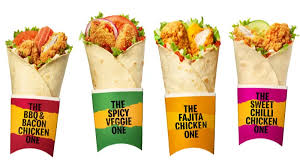
Overall, McDonald’s wraps combine versatility, flavor, and convenience. With their balanced ingredients, customizable options, and adaptability across markets, they remain a strong and growing segment within McDonald’s product portfolio, appealing to customers looking for variety beyond traditional burgers.
3. Breakfast Meals
McDonald’s Breakfast Meals are designed to provide customers with a quick, convenient, and satisfying start to their day. Known for their consistent quality and affordable pricing, these meals combine classic breakfast flavors with the brand’s efficient service model. Available in many countries during morning hours, McDonald’s breakfast menu caters to busy professionals, students, and families looking for a reliable meal option.

The breakfast range typically includes items such as egg-based sandwiches, muffins, hotcakes, hash browns, and wraps. Popular choices like egg and cheese muffins feature freshly cooked eggs, melted cheese, and savory patties served in soft, toasted buns or English muffins. Hash browns, known for their crispy exterior and soft interior, are a staple side item that complements the main meal. In some regions, breakfast wraps and platters offer a more filling option with a combination of eggs, meats, and sauces.
Beverages play a key role in McDonald’s breakfast offerings. Coffee, including espresso-based drinks under the McCafé platform, is a major attraction for morning customers. Tea, juices, and milk-based drinks are also available, allowing consumers to customize their breakfast combinations.
Localization is another important aspect of McDonald’s breakfast strategy. The brand adapts its menu according to regional tastes and cultural preferences. For example, vegetarian breakfast options are offered in markets like India, while other countries may feature bacon, sausage, or region-specific items.
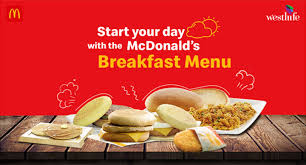
Overall, McDonald’s Breakfast Meals emphasize convenience, taste, and value. By combining familiar breakfast ingredients with fast service and affordable pricing, the brand successfully meets the needs of customers seeking a quick yet satisfying morning meal, reinforcing its strong position in the global quick-service restaurant industry.
4. Chicken Items
McDonald’s Chicken Items are among the most popular and fast-growing categories on its global menu. Known for their crispy texture, flavorful seasoning, and consistent quality, these products appeal to customers who prefer poultry over beef or vegetarian options. McDonald’s has carefully developed its chicken range to suit diverse tastes while maintaining the brand’s signature quick-service standards.
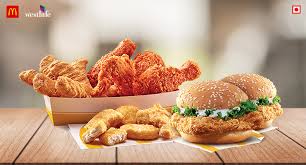
One of the most iconic chicken products is Chicken McNuggets, bite-sized pieces coated in a crispy golden batter and served with a variety of dipping sauces. They are especially popular among children and families. Chicken burgers, such as the McChicken and spicy chicken variants, feature seasoned chicken patties paired with fresh lettuce, creamy sauces, and soft buns. These burgers balance crunch and flavor, making them a staple choice in many markets.
Grilled chicken options are also available in certain regions, offering a lighter alternative to fried items. These cater to customers seeking a healthier choice while still enjoying the familiar McDonald’s taste. In addition, chicken wraps combine tender chicken pieces with vegetables and sauces in a soft tortilla, providing a convenient and portable meal option.
Localization plays a major role in McDonald’s chicken offerings. In countries like India, where beef is not widely consumed, chicken becomes a primary protein choice. The brand introduces region-specific spices and flavors to align with local preferences, such as extra spicy coatings or unique sauces.
Value meals and combo options further enhance the appeal of McDonald’s chicken items by pairing them with fries and beverages. Continuous innovation, including limited-time flavors and seasonal launches, keeps the menu exciting and competitive.
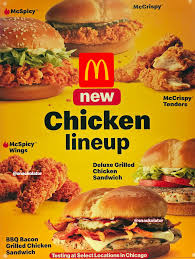
Overall, McDonald’s Chicken Items deliver taste, variety, and convenience. With a strong focus on quality, adaptability, and affordability, they remain a key driver of customer preference and contribute significantly to the brand’s global success.
5. Value Combos
McDonald’s Value Combos are designed to offer customers a complete meal at an affordable price. These combos typically include a main item such as a burger, wrap, or chicken product, paired with French fries and a beverage. By bundling popular menu items together, McDonald’s enhances convenience while delivering better value compared to purchasing each item separately.

Value Combos play a significant role in McDonald’s pricing and marketing strategy. They simplify ordering decisions, making it easier for customers to select a satisfying meal quickly. This approach is especially effective for families, students, and busy professionals who prefer a ready-made meal option. The consistent format of a main item, side, and drink ensures familiarity and reliability across global markets.
The brand offers a variety of combo options to suit different budgets and preferences. Customers can choose from basic value meals featuring entry-level burgers to premium combos that include larger or specialty items. In many markets, customers can customize their beverages or upgrade portion sizes for an additional charge, increasing perceived value while maintaining affordability.
Localization also influences McDonald’s Value Combos. In countries like India, vegetarian and chicken-based meals dominate the combo selection, reflecting cultural preferences. Regional promotions and limited-time offers often feature special combo deals to attract repeat customers and boost sales during festive seasons or promotional campaigns.
Beyond pricing benefits, Value Combos contribute to operational efficiency. Bundled meals streamline kitchen processes and speed up service, aligning with McDonald’s fast-service model. They also encourage higher average order value, supporting overall revenue growth.

Overall, McDonald’s Value Combos represent a strategic blend of affordability, convenience, and variety. By offering complete meals at competitive prices, the brand strengthens customer satisfaction and loyalty while maintaining its leadership in the quick-service restaurant industry.
6. Snacks & Sides
McDonald’s Snacks & Sides play an essential role in completing the brand’s meal experience. These items are designed to complement main products like burgers and wraps while also serving as quick, standalone snacks. Known for their consistent quality, crisp textures, and flavorful seasoning, McDonald’s sides enhance both taste and value for customers.

The most iconic side item is McDonald’s French Fries, famous for their golden color, crispy exterior, and soft interior. Lightly salted and served hot, they are widely regarded as one of the most popular fast-food fries globally. Another customer favorite is Chicken McNuggets, often categorized as both a main item and a snack, especially when ordered in smaller portions with dipping sauces.
McDonald’s also offers a variety of additional snack options depending on the market. These may include hash browns, corn cups, side salads, mozzarella sticks, or region-specific items tailored to local preferences. In India, for example, vegetarian snack options are particularly popular, reflecting consumer demand and cultural considerations. Such localization ensures that the menu remains relevant and appealing across diverse markets.
Snacks & Sides are often included in combo meals, increasing their visibility and popularity. They are also available in different portion sizes, allowing customers to customize their orders according to appetite and budget. This flexibility makes them attractive to both individual diners and groups.
From a business perspective, snacks and sides contribute significantly to sales and profitability. They have strong repeat demand and complement core menu items effectively. Promotional offers and limited-time side items further generate excitement and encourage trial purchases.
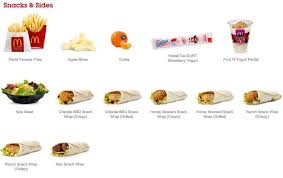
Overall, McDonald’s Snacks & Sides combine taste, convenience, and versatility. Whether enjoyed as an accompaniment to a meal or as a quick bite on their own, they enhance the overall dining experience and strengthen the brand’s appeal in the competitive quick-service restaurant industry.
7. Happy Meal
McDonald’s Happy Meal is one of the brand’s most iconic and successful product offerings, specially designed for children. Introduced to create a fun and engaging dining experience, the Happy Meal combines a child-sized portion of food with a toy, making it more than just a meal—it becomes an experience. Over the years, it has played a major role in building strong emotional connections between the brand and families.
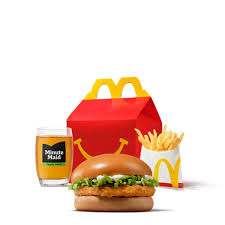
A typical Happy Meal includes a small burger or chicken nuggets, a portion of fries or a healthier alternative like apple slices, and a beverage such as milk, juice, or a soft drink. The portions are tailored for children, ensuring balanced quantity while maintaining the familiar taste of McDonald’s core products. In many markets, healthier customization options have been introduced to meet evolving parental expectations.
The most distinctive feature of the Happy Meal is the toy included in the box. These toys are often tied to popular movies, cartoons, or global franchises, creating excitement and collectability among children. Limited-edition toy releases encourage repeat visits and enhance brand engagement. The colorful packaging and playful design further add to the appeal.
Localization also plays an important role in the Happy Meal strategy. Menu items are adapted according to regional preferences and cultural norms. For example, vegetarian options are included in markets like India, ensuring inclusivity and relevance.
From a marketing perspective, the Happy Meal is a powerful brand-building tool. It introduces children to the McDonald’s experience at an early age, fostering familiarity and long-term customer loyalty. Family-focused advertising campaigns often highlight the joy and excitement associated with the product.
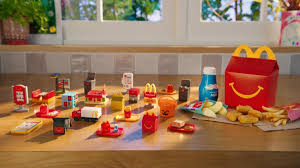
Overall, McDonald’s Happy Meal successfully blends food, fun, and family appeal. By combining quality meals with engaging toys and thoughtful customization, it remains a cornerstone of McDonald’s global marketing and product strategy.
8. Desserts
McDonald’s Desserts are an integral part of the brand’s menu, offering customers a sweet finish to their meals. Known for their affordability, taste, and convenience, McDonald’s desserts cater to a wide range of preferences, from creamy soft serves to indulgent baked treats. These items not only complement the main menu but also attract customers looking for a quick sweet snack.
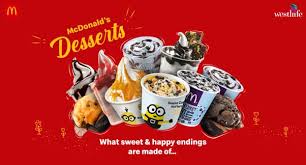
One of the most iconic dessert offerings is the soft serve ice cream, often served in a cone or cup. Its smooth texture and light sweetness make it a popular choice among all age groups. McDonald’s also offers sundaes topped with chocolate or caramel syrup, providing a richer and more indulgent option. The McFlurry, another customer favorite, combines soft serve with crushed cookies or chocolate toppings, creating a flavorful blend of creaminess and crunch.
In addition to frozen treats, McDonald’s dessert menu often includes baked items such as apple pies. These pies are known for their crispy outer layer and warm, fruity filling. Depending on the region, seasonal or limited-time desserts may also be introduced to reflect local tastes and festive occasions. For example, certain markets offer regional flavors or special festive desserts to appeal to cultural preferences.
Affordability and accessibility are key strengths of McDonald’s dessert offerings. They are priced competitively, encouraging impulse purchases and add-ons to regular meals. Desserts are also frequently included in promotional deals or combo offers, increasing their popularity.
From a marketing standpoint, desserts enhance the overall customer experience by adding variety and indulgence. They appeal to families, young adults, and children alike, strengthening the brand’s universal appeal.
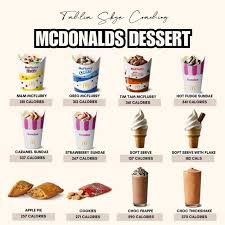
Overall, McDonald’s desserts successfully combine taste, value, and convenience. Whether enjoyed as a meal add-on or a standalone treat, they continue to delight customers and contribute significantly to the brand’s global success.
9. Beverages
McDonald’s Beverages are an essential part of the brand’s menu, complementing its burgers, wraps, snacks, and desserts. Designed to refresh and enhance the overall dining experience, McDonald’s beverage range caters to diverse tastes, age groups, and regional preferences. From classic soft drinks to premium coffee options, the brand ensures variety, affordability, and consistency across markets.
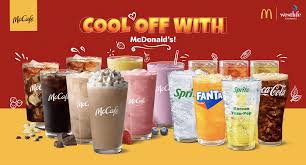
Carbonated soft drinks remain among the most popular beverage choices at McDonald’s. Served chilled and often paired with combo meals, they provide a refreshing balance to savory menu items. Customers can typically choose from multiple sizes, allowing flexibility based on appetite and budget. In addition to fizzy drinks, McDonald’s also offers fruit-based beverages and iced drinks that appeal to customers seeking lighter or more refreshing alternatives.
Coffee plays a significant role in McDonald’s beverage portfolio, particularly through its McCafé range. Hot options such as cappuccino, latte, and espresso cater to customers looking for café-style experiences at affordable prices. Iced coffee and flavored variations further expand the appeal, especially among young adults. Tea, hot chocolate, and milk-based drinks are also available in many locations, ensuring inclusivity for different taste preferences.
Localization is a key aspect of McDonald’s beverage strategy. In markets like India, customers can find options such as iced tea, cold coffee, and regionally inspired drinks that suit local climates and tastes. Seasonal beverages are often introduced during festive periods, creating excitement and encouraging repeat visits.
From a business perspective, beverages contribute significantly to revenue due to high demand and strong margins. They are frequently included in value combos, enhancing perceived affordability while increasing overall order value.

Overall, McDonald’s beverages combine refreshment, variety, and convenience. Whether enjoyed alongside a meal or purchased as a standalone item, they enhance customer satisfaction and reinforce McDonald’s position as a leading global quick-service restaurant brand.
10. McCafe
McCafé is the coffeehouse-style brand extension of McDonald’s, created to offer customers a premium café experience within the convenience of a quick-service restaurant. Launched to compete in the growing coffee market, McCafé combines quality beverages, modern ambiance, and affordable pricing, making specialty coffee accessible to a broad audience.

The McCafé menu features a wide range of hot and cold beverages, including espresso, cappuccino, latte, mocha, and Americano. Iced coffees and flavored variations are especially popular among younger consumers. In addition to beverages, many McCafé outlets offer bakery items such as muffins, cookies, pastries, and cakes, enhancing the café-style experience. The brand emphasizes freshly brewed coffee made from quality beans, ensuring consistent taste across locations.
One of McCafé’s key strengths is affordability. While traditional coffee chains often position themselves as premium brands with higher prices, McCafé provides similar beverage options at competitive rates. This value-driven approach aligns with McDonald’s broader strategy of delivering quality products at accessible prices.
Localization plays a significant role in McCafé’s success. In countries like India, seasonal drinks and regionally inspired flavors are introduced to cater to local tastes and climate preferences. The café spaces in some locations are designed with comfortable seating and contemporary décor, encouraging customers to relax, socialize, or even work.
From a marketing perspective, McCafé strengthens McDonald’s brand image by expanding beyond fast food into the lifestyle and café segment. It attracts working professionals, students, and coffee enthusiasts who may not visit solely for burgers or fries.
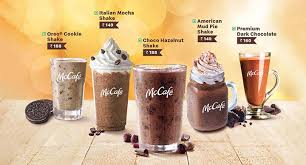
Overall, McCafé represents a strategic diversification for McDonald’s. By combining quality coffee, inviting ambiance, and affordable pricing, it successfully competes in the global coffee market while enhancing the overall customer experience.